

Bad Credit? Need a Secure Credit Card?
Bad Credit? Need a Secure Credit Card? Here’s How to Rebuild the Smart Way If you’re struggling with bad credit, you’re not alone—and you’re not stuck. Credit scores go up and down over a lifetime, and a setback doesn’t define you forever. The good news is that there are real tools that can help you rebuild, and one of the most effective (and accessible) is a secure credit card. A secure credit card can be a financial lifeline. Whether your credit took a hit from missed payments, high balances, job loss, medical bills, divorce, or simply not knowing how credit works when you were younger, a secure card offers a second chance to get back on track—without putting you at further risk. Let’s break down what secure credit cards are, how they help rebuild your credit, and what to look for when choosing one. What Is a Secure Credit Card? A secure credit card works just like a traditional credit card—but with one key difference: you provide a refundable security deposit, and that deposit typically becomes your credit limit. For example, if you deposit $200, your credit limit is usually $200. Some issuers may allow you to increase your limit later by adding more to your deposit. Because the lender is protected by this deposit, they’re more comfortable approving people with poor, thin, or no credit history. This is what makes secure cards so powerful for rebuilding credit: Your payments are reported to the major credit bureaus Your credit usage (how much of your limit you use) is tracked Over time, responsible use = better credit history Even though the card is “secure,” it behaves like a regular credit card in the eyes of the credit bureaus—so every on-time payment becomes a positive mark on your file. Why a Secure Credit Card Makes Sense If You Have Bad Credit ✅ Easier ApprovalMost secure cards are designed specifically for people rebuilding or just starting out. Approval requirements are more flexible than traditional cards, so you’re more likely to qualify—even if you’ve been turned down elsewhere. ✅ Credit-Building PowerYour goal isn’t just to get a card—it’s to rebuild your credit. When you make payments on time and keep your balance low, those good habits are reported to the credit bureaus and can help raise your score over time. ✅ Built-In Spending ControlBecause your credit limit is tied to your deposit, it naturally helps you avoid overspending. This structure makes it easier to stay within your budget and practice healthy credit habits. ✅ Upgrade PotentialMany secure card issuers offer a path to “graduate” to an unsecured card. After several months of responsible use, you may be able to get your deposit back and transition to a regular credit card with a higher limit and better terms. What to Look for in a Secure Credit Card Not all secure cards are created equal. When you’re comparing options, pay attention to: Reports to all three credit bureaus (Equifax, Experian, and TransUnion) Low or no annual fees Reasonable minimum deposit, usually in the $200–$500 range Possibility to upgrade to an unsecured card after good payment history Online access and mobile alerts to help you stay on top of due dates Fraud protection and zero liability for unauthorized charges Bonus points if the card includes free credit monitoring so you can track your progress and stay motivated as your score improves. How to Use Your Secure Card Wisely Getting approved is just the first step—the real impact comes from how you use the card. A few smart habits can make a big difference: Use the card regularly, but only for small purchases you can pay off quickly Pay your bill on time, every time—even one late payment can hurt Keep your balance below 30% of your limit (lower is even better) Check your credit score and reports monthly to watch your progress Think of your secure card as a training tool: you’re rebuilding trust with the credit system, one responsible month at a time. Final Thoughts Bad credit doesn’t have to be permanent—and a secure credit card is one of the best first steps toward financial recovery. It’s not just a piece of plastic; it’s a structured way to rebuild trust, confidence, and control over your financial future. If you’ve been turned down for other credit options, don’t give up. A secure credit card can open the door to new opportunities, better rates, and most importantly—peace of mind. Ready to take the first step? We’ve selected a few secure credit card options you can review. Go to the link below and carefully choose the one that fits your needs: Secure Credit Card Would you like this turned into a printable guide or comparison chart of top secure cards? I can help with that too. see more
Bad Credit? We Have the Auto Loan for You
Bad Credit? Let’s face it—life happens. Whether it’s a missed payment, unexpected medical bills, a sudden job loss, or an emergency expense that forced you to choose survival over credit protection, many people end up with a less-than-perfect credit score at some point in their lives. If that sounds familiar, you’re certainly not alone. Millions of people are in the same situation, and the important thing to remember is this: bad credit does not define your future. And even better news? Your credit history does not have to stand between you and a reliable vehicle. Transportation is essential for work, family, and day-to-day life. That’s why at The Credit Bureau, we specialize in helping individuals with bad credit get approved for auto financing—without judgment, without high-pressure sales tactics, and without unnecessary stress. Why Bad Credit Shouldn’t Stop You Traditional lenders often look at a credit score and make quick decisions without understanding the story behind it. But we know better. A credit score is only one piece of the puzzle—and it certainly doesn’t explain who you are or the steps you’re taking to move forward. Maybe you’re rebuilding after a rough financial patch. Maybe your credit was affected by medical issues, divorce, or job loss. Maybe you’re young and still establishing credit for the first time. No matter your situation, we look at the whole picture, not just a number on a screen. Here’s how we do things differently: ✅ Flexible approval criteriaWe understand that good people may have imperfect credit. Our approvals look at income, stability, and your current situation—not just past mistakes. ✅ Affordable monthly paymentsWe work hard to match you with lenders who can offer payment plans that fit your lifestyle and your budget, so you’re not overwhelmed. ✅ Down payment options that work for your budgetWhether you can put money down or need a low-down-payment option, we help you explore choices that won’t strain your finances. ✅ A wide selection of dependable vehiclesYou deserve a reliable vehicle without overpaying. By working with a network of reputable lenders and dealerships, we help you access quality options you can trust. Auto Loans Designed for Real People Buying a car with bad credit doesn’t have to feel impossible—or intimidating. We work with a network of trusted lenders who specialize in bad credit financing, meaning: More opportunities for approval Fair interest rates based on your current ability to pay, not just your past Loan terms designed to help you succeed—not fail Personalized support based on your financial needs Whether your credit score is low, nonexistent, or recovering from something more serious—like bankruptcy—we’re committed to helping you find a loan that works for you. The goal isn’t just getting you into a vehicle. It’s helping you move forward, rebuild your financial confidence, and create a fresh start. A car isn’t just transportation—it’s opportunity, independence, and security. You Don’t Have to Do This Alone The Credit Bureau has already done the research for you. We’ve identified the right lender—one known for working with real people, real situations, and real financial challenges. We chose a partner that prioritizes: Fast approvals Fair terms Transparency Respect for every borrower Getting started is simple. Click the link below, scroll to MyAutoLoan, and submit your application. The process is quick, secure, and designed to help you get behind the wheel sooner than you think. We have picked the right lender for you. Click the link below and find the MyAutoLoan and click to apply. 👉 MyAutoLoan see more
Got Good Credit? Here is How You Can Score Lower Auto Financing Rates

Good Credit? Whether you’re buying your first vehicle, upgrading to a newer model, or refinancing your current auto loan, your credit score is one of the most powerful financial tools you have. Many people focus on the price of the car or the monthly payment they hope to achieve, but the truth is that your credit score plays a bigger role than almost anything else in determining what your final cost will be. A strong credit history doesn’t just open doors — it can dramatically reduce the amount you pay over time. And the best part? You don’t have to navigate this process alone. We work closely with a reputable auto financing company that specializes in rewarding responsible credit behavior with some of the most competitive rates in the market. Why Good Credit Matters in Auto Financing Good credit score is one of the first things lenders look at when reviewing your auto loan application. It doesn’t just influence whether you get approved — it has a major impact on the interest rate you’re offered. Lenders see a higher credit score as proof that you manage your finances responsibly, make payments on time, and pose a lower risk of default. Because of this, they’re more comfortable offering you a lower interest rate. Lower interest rates may sound like a small detail, but they make a huge difference. A reduction of even one or two percentage points can save you hundreds — and in many cases thousands — of dollars over the life of your loan. Over a typical 36-, 48-, or 60-month loan, the savings can be significant enough to lower your monthly payment or help you afford a better vehicle without stretching your budget. In short, good credit doesn’t just help you get approved; it helps you keep more money in your pocket. We Partner with the Right Lender for You Good credit the auto financing world is filled with all kinds of lenders, and not all of them offer the same benefits. Some focus on high-risk borrowers and charge very high interest rates, while others structure their loans with extra fees or confusing terms. That’s why choosing the right lender is just as important as choosing the right car. We’ve taken the guesswork out of this process by partnering with a trusted auto financing company known for treating creditworthy borrowers fairly. They recognize the value of customers who have built and maintained good credit, and they reward that responsibility with excellent rates and a straightforward approval process. Their goal is to help you get the vehicle you want while maximizing the financial benefits that your good credit has earned you. Their application process is fast, user-friendly, and designed to respect your time. Many customers receive pre-approval within minutes, and best of all, the initial check does not impact your credit score. Once pre-approved, you’ll be able to explore your financing terms and choose an option that fits comfortably within your budget. what You Can Expect: Lower interest rates for borrowers with good to excellent credit. Fast and easy pre-approval that won’t affect your credit score. Flexible terms designed to support your financial goals and monthly comfort. No hidden fees or surprises — just simple, transparent financing. How to Get Started Getting started is easy. Simply click the link below and scroll until you find My Auto Loan. From there, you can begin the fast pre-approval process and explore the financing options available to you. Whether you’re ready to buy today or simply planning ahead, taking this step can give you valuable insight into your purchasing power and help you make the smartest decision for your budget. My Auto Loan see more
Answering Credit Report Questions

At The Credit Bureau, we’re passionate about helping you understand your credit report.Our team is here to answer your questions and guide you through smart strategies to take control of your credit report. We believe credit education is a powerful, and we’re committed to going the extra mile for you. By registering at monitoryourreport.com, you’ll get access to your credit reports and scores from all three major bureaus—TransUnion, Experian, and Equifax. The program also includes: Ongoing phone support A $1 million identity theft insurance policy to protect you in case of fraud Here’s how to get started: Subscribe to credit monitoring:Visit this link to sign up. It’s just $.80 for the first week, then $29.95/month. Create your login and passwordSo you can access your reports anytime. Schedule your support session:Book a one-on-one meeting here: https://meet.brevo.com/thecreditbureau During your session, we’ll review your credit report and answer any questions.. Let us help you take the guesswork out of the credit report.
Good News – Healthcare Collections

Medical bills can be stressful enough without the added fear of damage to your credit report. The good news is that the three nationwide credit reporting agencies — Equifax, Experian, and TransUnion — now treat medical collection debt differently than many other types of collection accounts. Under current credit reporting policies: Paid medical collection accounts are no longer included on U.S. consumer credit reports. Medical collection debt with an initial reported balance under $500 is removed from consumer credit reports. Unpaid medical collection debt generally cannot appear on your credit report until after a 365-day waiting period. This gives consumers more time to resolve billing issues, insurance delays, or payment disputes before the debt is reported. This can be a major help for consumers because medical bills are often confusing, delayed, or tied up with insurance processing. What This Means for Consumers If you paid a medical collection account, it should be removed from your credit report. If the medical collection was originally reported under $500, it should not appear on your credit report. If an unpaid medical collection is $500 or more, it may still appear on your credit report after the waiting period if it remains unpaid. That is why it is important to check your credit report and make sure medical collection accounts are being reported correctly. Mistakes Can Still Happen Even with these changes, credit report mistakes can still occur. Review your credit report carefully. If you see a medical collection account that was paid, is under $500, does not belong to you, or is being reported incorrectly, you may have the right to dispute it. You can view your credit report here: https://thecreditbureau.com/consumer-credit-report/ If you find incorrect collection accounts or other errors on your report, learn how to dispute them here: https://thecreditbureau.com/how-to-write-a-dispute-letter/ Questions? Email us at: customercare@thecreditbureau.com Or call The Credit Bureau at: 800-518-1077 Don’t wait — talk to a real person now Don’t wait — talk to a real person now Don’t wait — talk to a real person now Add Your Heading Text Here
Company Falsely Claiming to Be Experian

Beware of Credit Score Scam Calls Claiming to Be Experian Partners Company falsely claming to be experianConsumers across the country are being targeted by a growing and dangerous scam involving phone calls, emails, and text messages from a company falsely claiming to be a partner of Experian. These scammers are contacting individuals and warning them that their credit score has suddenly dropped, creating fear and urgency. They then direct consumers to log into a fraudulent website designed to steal sensitive personal and financial information. This scam is becoming increasingly sophisticated, and many victims do not realize they have been deceived until serious damage has already been done. Understanding how this scam works—and how to protect yourself—is critical to safeguarding your identity, credit, and financial future. How the Scam Typically Works The scam often begins with a phone call, email, or voicemail that appears urgent and alarming. The caller may claim to represent a company “working with Experian” or a “credit monitoring partner.” They often use professional language, spoofed phone numbers, and convincing email addresses to appear legitimate. Common tactics include: Claiming your credit score has dropped significantly Warning of unauthorized activity or risk of account closure Offering to “help fix the problem immediately” Directing you to log into a website that closely resembles a real credit bureau portal Offering to lower your interest rates on existing credit card accounts Once you enter your personal information—such as your Social Security number, date of birth, login credentials, or credit card details—the scammers gain access to your identity and financial life. Fake Promises of Lower Interest Rates One of the most deceptive aspects of this scam is the promise to lower interest rates on existing credit card accounts. Scammers may claim they can negotiate directly with your credit card issuers or that they have special authority due to their supposed partnership with a credit bureau. This is a major red flag. Credit bureaus do not: Negotiate interest rates Modify credit card terms Access your credit card account numbers Act on behalf of lenders Any company claiming they can lower your credit card interest rates because they “work with Experian” is misleading you. Important Facts Consumers Must Know To protect yourself, it’s important to understand how credit bureaus actually operate: Experian is not associated with this company Experian does not issue credit cards Experian does not contact consumers to sell services by phone Experian does not provide account numbers to unauthorized companies Experian does not ask for login credentials via email or phone If someone claims otherwise, they are not telling the truth. Warning Signs That You’re Being Scammed Scammers rely on fear, urgency, and confusion. Be alert if you experience any of the following: You are told to act immediately or face serious consequences You are asked to click a link or log in through an unfamiliar website The caller refuses to provide written verification The company pressures you to share sensitive personal information The offer sounds too good to be true, such as guaranteed interest rate reductions Legitimate credit bureaus and financial institutions will never pressure you or demand immediate action through unsolicited contact. What to Do If You Are Contacted If you receive a call, email, or text from a company claiming to be a partner with Experian: Do not click any links Do not provide personal or financial information Hang up the phone Independently verify your credit status by logging directly into the official credit bureau website Report the scam to the appropriate authorities If you are unsure whether a message is legitimate, always contact the organization directly using a verified phone number or website—not the information provided by the caller. What to Do If You Already Shared Information If you believe you may have entered your information into a fraudulent system or spoken with one of these scammers, take action immediately: Place a fraud alert or credit freeze on your credit reports Change passwords on financial and email accounts Monitor bank and credit card statements closely Report identity theft to the Federal Trade Commission (FTC) Seek professional assistance to assess and repair potential damage Early action can significantly reduce long-term harm. Why These Scams Are Increasing Credit-related scams are on the rise because stolen personal data is extremely valuable. With access to your identity, scammers can: Open new credit accounts Take over existing accounts Commit tax or employment fraud Sell your data on the dark web Scammers often target consumers during times of financial stress, when people are more likely to respond emotionally to threats about their credit. How The Credit Bureau Can Help If you have questions, concerns, or believe you may be a victim of credit or identity-related fraud, professional guidance can make a critical difference. 📞 Call The Credit Bureau at 800-518-1077 Our team can help you: Understand whether a call or email is legitimate Review warning signs of fraud Take steps to protect your credit and identity Navigate next steps if fraud has already occurred You do not have to face these situations alone. Stay Informed, Stay Protected Scammers thrive on confusion and misinformation. The best defense is awareness. Always remember: Credit bureaus do not sell services through unsolicited calls No legitimate partner will ask for your login credentials Urgency and fear are common scam tactics By staying informed and cautious, you can protect yourself and your loved ones from becoming victims of credit and identity fraud. If something doesn’t feel right, trust your instincts—and reach out for help.
Collection Agencies and Credit Report

How to Remove Collection Agencies From Your Credit Report Collection agencies and credit report? Collection accounts can be one of the most damaging items on a credit report. Whether the debt is paid, unpaid, old, or unfamiliar, collections often raise questions and concerns for consumers trying to improve their credit scores. Understanding how collection agencies report accounts—and how removal works—can help you take the right steps toward financial recovery. This guide explains how collection accounts appear, how long they stay, what paying them really does, and what options you have to protect your credit. What Is a Collection Account? A collection account appears on your credit report when an original creditor (such as a credit card company, lender, medical provider, or utility company) transfers or sells a past-due account to a collection agency after prolonged nonpayment. Once an account is sent to collections: The original creditor may stop reporting updates The collection agency begins reporting the debt Your credit score may drop significantly How Long Do Collection Accounts Stay on Your Credit Report? Collection accounts that are accurate and verified remain on your credit report for seven years from the date of original delinquency. What Is the Original Delinquency Date? The original delinquency date is the most important factor in determining when a collection account will be removed. It is defined as: The date your account first became 30 days late And was never brought current again The first missed payment that led to the account being charged off and sent to collections starts the 7-year reporting clock—not the date the account was sold or assigned to a collection agency. Automatic Removal After Seven Years Collection accounts are automatically removed from your credit report once the 7-year reporting period expires. You do not need to: Make a payment Contact the collection agency Request removal (if the timeline is accurate) If a collection remains on your report past the allowed reporting period, you have the right to dispute it for removal. Does Paying a Collection Remove It From Your Credit Report? This is one of the most common misunderstandings about collections. Paying a collection does NOT automatically remove it from your credit report. What payment does do: Changes the account status to “Paid Collection” Shows lenders you resolved the debt Can improve approval odds for loans or mortgages What payment does not do: It does not erase the collection It does not shorten the 7-year reporting period It does not guarantee score improvement Is a Paid Collection Better Than an Unpaid One? Yes—in many cases, a paid collection is viewed more favorably than an unpaid collection, especially when applying for: Mortgages Auto loans Personal loans Rental housing However, both paid and unpaid collections can still negatively affect your credit score until they are removed. Will Making a Payment Restart the 7-Year Clock? No.Making a payment on a collection account does not reset the credit reporting timeline. The removal date is permanently tied to the original delinquency date, regardless of: Partial payments Settlement payments Full payoff ⚠️ Important note: While payments do not restart the credit reporting clock, they can impact the statute of limitations in some states (explained below). What Is the Statute of Limitations on Collection Debt? The statute of limitations is the legal time limit during which a creditor or collection agency can sue you to collect a debt. Key points: It varies by state It typically ranges from 3 to 10 years It is separate from credit reporting rules A debt can be uncollectible legally but still appear on your credit report In some states, making a payment or acknowledging the debt may restart the statute of limitations. Always understand your state’s laws before taking action. Can You Remove Collection Accounts Early? Yes—in certain situations, collection accounts may be removed before the 7-year period ends. Situations Where Early Removal May Be Possible Inaccurate Information Wrong balance Incorrect dates Account does not belong to you Duplicate reporting Identity Theft or Fraud Account opened without your permission Unauthorized use of your personal information Failure to Verify the Debt Collection agency cannot provide proper documentation Debt validation request is not fulfilled Pay-For-Delete Agreement Some agencies agree to remove the account in exchange for payment Not guaranteed and must be in writing How to Dispute a Collection Account If you believe a collection account is inaccurate or unverified, you have the right to dispute it with the credit bureaus. Steps to Dispute a Collection Request a copy of your credit report Identify incorrect or questionable collection accounts Submit a dispute with supporting documentation The bureau has 30 days to investigate If not verified, the account must be removed Why Collection Accounts Hurt Your Credit Score Collection accounts signal high risk to lenders because they indicate: Prolonged nonpayment Default on a financial obligation Increased likelihood of future delinquency The impact depends on: Your overall credit profile How recent the collection is Whether there are multiple collections Newer collections generally have a stronger negative effect than older ones. Should You Pay Old Collection Accounts? This depends on several factors: How old the debt is Whether it is within the statute of limitations Your financial goals (mortgage, loan approval, etc.) Whether the account is accurate In some cases, paying an old collection may not improve your credit score and could expose you to legal risk if the statute of limitations has expired. Professional guidance is recommended. How Credit Professionals Can Help Navigating collection accounts can be confusing and stressful. Credit professionals can: Review your credit report for errors Identify removable collection accounts Assist with disputes and documentation Explain timelines and legal protections Help you build a recovery plan If you have questions about collection agencies, credit reporting rules, or disputes, contact The Credit Bureau for assistance. 📞 The Credit Bureau Phone Number: 800-518-1077 Final Thoughts Collection accounts do not last forever, and not all of them are permanent or unchangeable. Knowing: When they must be removed What payment actually does How disputes work How
Experian Credit Report for $1

IMPORTANT INFORMATION ABOUT YOUR $1 CREDIT REPORT AND FICO® SCORE 8 Experian credit report for $1.Understanding your credit profile is one of the most important steps you can take toward protecting your financial future. When you order a $1 credit report and FICO® Score 8, you gain access to valuable insights about your credit health while beginning a 7-day trial membership in Experian CreditWorks. This page explains exactly what that means, how the trial works, potential costs, and what factors may influence your credit score. credit report for $1? Our goal is to provide clear, transparent, and easy-to-understand information so you can make informed decisions with confidence. What Happens When You Order the $1 Credit Report and FICO® Score 8? credit report for $1? When you place an order for the $1 credit report and FICO® Score 8, you receive: Access to your credit report from Experian Your FICO® Score 8, one of the most widely used credit scoring models Enrollment in a 7-day free trial of Experian CreditWorks℠ This trial allows you to explore credit monitoring features designed to help you stay informed about changes to your credit file. 7-Day Trial Membership Details Your 7-day trial begins immediately after you complete your order. During this trial period: You will not be charged as long as you cancel within 7 days You can access credit monitoring and alert features You may review updates related to your credit file If you do not cancel your membership before the end of the trial period, your account will automatically continue as a paid membership. Monthly Membership Cost After the Trial If your trial is not canceled within 7 days, you will be billed: $21.95 per month Charges continue monthly until you cancel Billing occurs automatically using the payment method on file You can cancel online at any time, including during the trial period, without penalty or additional fees. How to Cancel Your Trial Membership Canceling your trial is simple and can be completed entirely online. To avoid charges: Log into your account before the 7-day trial ends Navigate to membership or billing settings Select the cancellation option Confirm your cancellation Once canceled, you will retain access until the end of the trial period and will not be charged. Understanding FICO® Score 8 credit report for $1? Your credit score is calculated using the FICO Score 8. This scoring model evaluates several key factors, including: Payment history Amounts owed Length of credit history Credit mix New credit inquiries FICO® Score 8 is commonly used by lenders, but it is not the only credit score model in existence. Important Credit Score Disclosure While FICO® Score 8 is widely used, it is important to understand that: Your lender or insurer may use a different FICO® score Some lenders rely on industry-specific or proprietary scoring models Your approval odds may vary depending on the score and bureau used For this reason, the score you see may not be identical to the score a lender uses when evaluating your application. What Is Experian Boost®? Experian Boost is an optional feature that allows certain on-time payments to be considered in your Experian credit file. Eligible payments may include: Utility bills Telecom services Streaming subscriptions By adding these payments, some consumers may see an improvement in their FICO® Score 8 from Experian. Experian Boost® Results Disclosure Results from Experian Boost® are not typical and will vary. Important limitations include: Not all payments are boost-eligible Only select payment data can be added Some users may see no improvement Not all lenders use Experian credit files Not all lenders use scores impacted by Experian Boost® On average, users who received a boost from non-rental data saw an increase of 13 points in their FICO® Score 8 from Experian. However, individual results may differ. Why Credit Score Improvements Are Not Guaranteed credit report for $1? Credit scores are influenced by many factors beyond added payment data. You may not see improvement if: You already have strong credit history Negative items outweigh positive data Your lender does not use Experian data Your lender uses a different scoring model Credit scores are dynamic and can change based on activity reported by creditors. Why Credit Monitoring Matters Ongoing credit monitoring can help you: Detect unauthorized activity early Track changes to your credit file Stay informed about score fluctuations Respond quickly to potential fraud Early awareness is critical when it comes to identity theft and credit fraud, which continue to rise each year. Transparency and Consumer Awareness credit report for $1? We believe transparency matters. That is why it is important to understand: When your trial begins When charges may apply How to cancel What impacts your credit score Reading disclosures carefully helps you avoid unexpected charges and confusion. Common Questions About the $1 Credit Report Offer Is the $1 offer legitimate? Yes. The credit report for $1 charge covers access to your credit report and score and activates the trial membership. Can I cancel immediately? Yes. You may cancel anytime during the 7-day trial without being charged. Will canceling hurt my credit? No. Canceling a trial membership has no impact on your credit score. Do all lenders use Experian? No. Some lenders rely on other credit bureaus or internal scoring models. Key Takeaways for Consumers The credit report for $1 offer includes a 7-day trial membership Monthly billing of $21.95 applies after the trial if not canceled FICO® Score 8 is commonly used but not universal Experian Boost® results vary and are not guaranteed Credit awareness is essential for financial health Final Disclaimer credit report for $1? Credit scores, approval odds, and potential improvements vary by individual. Not all consumers will see score increases, and not all lenders use Experian data or FICO® Score 8. Always review membership terms carefully and monitor billing timelines to avoid unwanted charges. Click here to see your reports
I was a victim of fraud, and I legally changed my name

How to Change Your Name on Your Credit Report Without Affecting Your Credit Score victim of fraud. Changing your name on your credit report is an important step in maintaining accurate financial records, especially after major life events such as marriage, divorce, or a legal name change. Many people worry that updating their name could negatively impact their credit score—but the good news is, if done correctly, it will not harm your credit at all. victim of fraud.Your credit report is tied to your Social Security number (or national identification equivalent), not just your name. However, ensuring your name is accurate helps prevent confusion, identity issues, and potential delays in credit approvals. In this complete guide, we’ll walk you through exactly how to change your name on your credit report safely, efficiently, and without any negative impact. Why Updating Your Name on Your Credit Report Matters victim of fraud.Your credit report is a detailed record of your credit history, including loans, credit cards, payment history, and personal identifying information. If your name is outdated or incorrect, it can cause: Delays in loan or credit approvals Identity verification issues Mismatched records across financial institutions Increased risk of identity theft or fraud confusion Keeping your personal information up to date ensures lenders can accurately verify your identity and assess your creditworthiness. Does Changing Your Name Affect Your Credit Score? No—changing your name does not affect your credit score. Credit scores are calculated based on factors such as: Payment history Credit utilization Length of credit history Credit mix New credit inquiries Your name is simply an identifying detail. As long as your Social Security number (or equivalent ID) remains the same, your credit history will stay intact. When Should You Update Your Name? victim of fraud?You should update your name on your credit report after: Marriage Divorce Legal name change through court order Correction of spelling errors or inconsistencies It’s best to act quickly after your name change becomes official to avoid discrepancies. Step-by-Step Guide to Changing Your Name on Your Credit Report 1. Complete Your Legal Name Change First Before contacting credit bureaus, your name must be legally changed through the proper channels. This typically involves: Filing a petition with the court Receiving a certified court order confirming the name change Make sure you obtain multiple certified copies of your court order, as you may need them for different institutions. 2. Update Your Name with Government Agencies victim of fraud?Before updating your credit report, update your name with official government bodies: Social Security Administration (or local equivalent) Department of Motor Vehicles (DMV) or national ID authority This ensures your new name is linked to your identification number, which is crucial for credit reporting accuracy. 3. Notify Your Creditors Contact your banks, credit card companies, and lenders directly and request a name update. Provide: Copy of your court order Updated identification Any required forms Once your creditors update your information, they will report the new name to credit bureaus automatically. 4. Review Your Credit Report Obtain a copy of your credit report and carefully review it. Look for: Incorrect or outdated names Misspellings Duplicate entries Accounts that don’t belong to you You can mark or circle any incorrect information to make it easier for credit bureaus to review your request. What You Need to Provide to Credit Bureaus When submitting your request to update your name, include the following: 1. Personal Information Your current legal name Your previous name (as listed on the report) Your current address A valid form of identification 2. Proof of Address Provide a document showing your current address, such as: Utility bill Bank statement Lease agreement Make sure your name is clearly visible on the document. 3. Explanation of Your Request Clearly explain: What you are disputing (incorrect or outdated name) Why it needs to be corrected What the correct name should be Clarity is key—this helps the credit bureau process your request faster. 4. Supporting Documents Include copies (not originals) of: Court order for name change Government-issued ID Any relevant financial documents You may also include payment statements or checks if needed to verify identity. 5. Marked Credit Report (Optional but Helpful) Include a copy of your credit report with: Incorrect names circled Corrections clearly indicated This makes it easier for the bureau to identify and fix the issue quickly. How to Send Your Request It’s important to send your request securely and with proof of delivery. Recommended Methods: Certified mail with return receipt Courier services like FedEx or DHL with signature confirmation This ensures you have documentation proving that the credit bureau received your request. Credit Bureau Contact Information Send your name change request to the following credit bureaus: Equifax P.O. Box 105139Atlanta, GA 30348-5139 Experian P.O. Box 2002Allen, TX 75013 TransUnion P.O. Box 2000Chester, PA 19016 Keep Records for Your Protection Always keep copies of: Your dispute letter Supporting documents Delivery confirmation receipts These records are essential if you need to follow up or escalate your request. How Long Does It Take? Credit bureaus typically investigate and respond within 30 days of receiving your request. Once completed, they will send you: Confirmation of the update A revised copy of your credit report Tips to Avoid Problems During the Process To ensure a smooth experience, follow these best practices: Be Consistent Use the same version of your name across all documents and accounts. Double-Check Documents Make sure all paperwork is accurate and legible before sending. Follow Up If you don’t receive a response within 30 days, contact the bureau to check the status. Avoid Multiple Requests at Once Send clear, complete information in one request to avoid delays. Common Mistakes to Avoid Many people unintentionally delay their name change process by making simple mistakes: Sending incomplete documentation Not providing proof of address Using inconsistent name formats Forgetting to sign the dispute letter Sending original documents instead of copies Avoiding these errors will help speed up the process. Will Old Names Still Appear? Yes, your previous
I am an authorized user but the credit card does not show up on my report. Why?

You have been added to someone’s credit card as an authorized user, but realized it won’t help you with your score because the credit card does not show up on your credit report. This means that there is a mistake that happened at the time the credit card was created. Here are the steps to help:1. Have the person authorizing add your Social Security Number (SSN) to the account through thebank. This makes you an authorized user.2. Make sure that the credit card owner would make you responsible to pay. That means that you arealso responsible for the payments on that credit card. Note: If the credit card is newly authorized to you, wait for three to four months for the account to mature andyou will start seeing updates each month on your credit report. A word of caution is to make sure thatthe owner of the card pays the bills to this credit card on time. We recommend applying for membership with The Credit Bureau so you can see activity from the three major bureaus (Transunion, Equifax, and Experian), and have the ability to use optimization tools such as credit analyzer and in-person phone support to help improve your score. To become a member, click the following link: https://thecreditbureau.com/consumer-credit-report/ Call us if you have any questions. The Credit Bureau Phone Number is: 800-518-1077
Changing Personal Info On Your Report

Changing Personal Info On Your Report To make changes to your Name, Date of Birth or Social Security Number (SSN) you’ll need to provide the credit reporting agencies valid supporting documentation that shows the updated information. Examples include: Copy of your driver’s license Copy of your birth certificate Copy of your Social Security card A court order Proof of Address – Mail Received You can mail the necessary documents to: Equifax P.O. Box 105139 Atlanta, GA 30348-5139 Experian P.O. Box 2002 Allen, TX 75013 TransUnion P.O. Box 2000 Chester, PA 19016 To Get copy of your credit report please go to: https://thecreditbureau.com/consumer-credit-report/ Contact us if you have any questions. The Credit Bureau Phone Number is: 800-518-1077 Option 4
Victim of Fraud? Freeze Your Credit Report

Victim of Fraud? Start Here Immediately If you believe you’ve been a victim of fraud or identity theft, act quickly.Taking the right steps now can prevent further damage and stop new accounts from being opened in your name. 🔍 Step 1: Check Your Credit Reports Immediately The first thing you need to do is review your credit reports. Look for: Accounts or credit cards you don’t recognize Loans you did not apply for Address or name changes Any unfamiliar activity 👉 This will give you a clear picture of what has already happened. You can access all three credit reports here: It costs $.80 for the first week, then $29.90/month after. 🧾 Step 2: Remove Fraudulent Activity If you find anything suspicious: 👉 Your next step is to remove those items from your credit report Follow this step-by-step guide:Remove fraudulent items from your credit report (step-by-step guide) 🔒 Step 3: Freeze Your Credit Immediately Once you understand what’s on your reports, your next priority is: 👉 Stop new accounts from being opened A credit freeze prevents lenders from accessing your credit file. 👉 This is one of the strongest protections against identity theft. Follow the full steps here:Step-by-step: How to freeze your credit report 👁️ Step 4: Continue Monitoring Your Credit Identity theft doesn’t always happen all at once. 👉 Fraud activity can appear days, weeks, or even months later. That’s why ongoing monitoring is important. Monitoring helps you: catch new activity quickly respond before damage spreads track your progress as issues are resolved 🔓 Step 5: When You Need to Use Your Credit If you plan to: apply for a loan buy a car open a credit card 👉 You will need to temporarily lift your credit freeze Follow the instructions here:How to unfreeze your credit report After you’re done, you can turn the freeze back on. ⚠️ Important Notes A credit freeze does not automatically manage itself You may need to lift and reapply it over time Always keep your login information or PIN in a safe place 📞 Need Help? If this feels overwhelming, or you would rather have someone guide you through it: 👉 Call us now: 800-518-1077 (Option 4) We’re here to help you through every step.
What is a Charge-Off on your Credit Report?
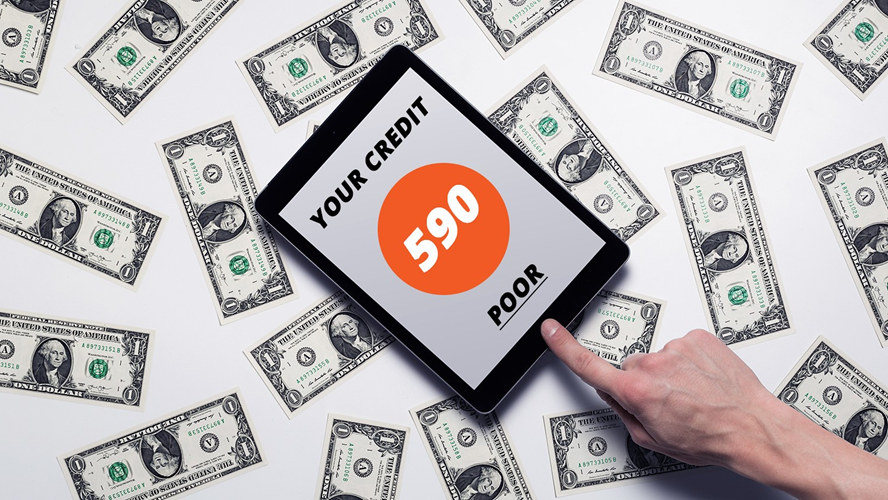
Below are answers to some commonly asked questions about charge-off notifications on your credit reports. What is a charge-off on your credit report? A charge-off appears on your credit report when a creditor has made all efforts to collect and has been unsuccessful. A charge-off stays on your report for 7 years. You are still responsible to pay the debt. Any delinquent account is subject to charge-off after 120 to 180 days from the date you were late. The charge off will be reported to the credit reporting agencies and will impact your credit score negatively. To ensure sure you are not caught off-guard by a charge-off, we recommend the following: Make sure the credit card companies have your current address, phone and email to avoid missing notifications. Open and respond to any letters that come from your creditors. Contact your creditor if you cannot make the minimum payment. They normally are open to making arrangements to help you with the debt and avoid the charge-off. Register for our credit monitoring service, which will give you access to all three credit reports and alerts you on changes to your credit report. You will also have protection for $1,000,000.00 that will pay for all losses due to identity theft. How does charge-offs turn into collection accounts on your credit report? The creditor will sell your debt to a collection agency. The collection agency will contact you for payment and if you do not open the mail, email or respond to messages in the first 30 days, a collection account will appear on your credit report, and negatively impact your score. So it is important to open all mail and answer the collector’s phone calls or call them back when they leave you a message. A creditor cannot garnish your wages without a judgment or court order. It is very important not to ignore legal notifications and complaints. If you ignore the lawsuit and do not show up in court, the creditor will receive a judgment against you and will have the power to garnish your wages. Questions? Call us. The Credit Bureau Phone Number is: 800-518-1077 Option 4
I Cannot Get a Copy of My Credit Report

I cannot get a copy of my credit report. Am I a victim of fraud? Why bureaus refuse to give me a copy of my credit report? You may be a victim of fraud and your social security has been compromised. When you provide your name, social and address to the bureaus, they cannot match your information with what is inside their database. The credit reporting agencies can help you remedy the situation. We recommend the following: Write a letter to the credit reporting agencies using the addresses below and provide the following: Piece of mail to your current address with your name on it. This proves your present address. Explain that you cannot get a copy of your report. Include a copy of your social security card and driver’s license. Send the letters via certified mail, return receipt requested, or Fed-ex with a “signature required”, so you have documentation proving the credit reporting agency has received your letter. Keep a copy of your letter and all other documents for future reference. The bureaus will correct the problem and you will receive a copy of your credit report by mail. It will take around 30 days. EquifaxP.O. Box 105139Atlanta, GA 30348-5139 ExperianP.O. Box 2002Allen, TX 75013 TransUnionP.O. Box 2000Chester, PA 19016 For further help and questions call us. The Credit Bureau Phone Number is: 800-518-1077 Option 4
Someone Applied for Unemployment in My Name

Someone Applied for Unemployment in My Name. Unemployment benefit scams are on the rise. If you suspect suspicious activity, we recommend the following steps to be taken immediately: Report the fraud to your previous employer. Keep a record of who you spoke with and when. Report the fraud to your state unemployment benefits agency. You can find it here. Review your credit reports often. For more info on how you can see Equifax, Experian, TransUnion credit reports and your scores for $1 for first week, click here. You’ll have the option to sign up for our top-tier credit monitoring program as well so you can catch fraudulent activity in real time. Report the fraud to FTC here. If you actually received unemployment funds by check or direct deposit, you may receive calls, emails, or texts from thieves claiming you received the money in error and that you must return it. They will pretend they are the the Department of Labor, and claim a mistake has been made. Do not respond. They will ask you to wire the money, or go buy a gift card and give them the card information. Do not reply or answer any of the attempts to give the money back. If you want to verify, place a call yourself or log into your online portal where you will have received a secured message should an error have been made. Call us if you have any questions. The Credit Bureau Phone Number is: 800-518-1077 Option 4
How to Write a Dispute Letter

How to write a dispute letter The following instructions will walk you through how to write a dispute letter to rectify any error on your credit report. Federal law gives you the right to submit a dispute and request an investigation when you discover an error in your credit report. Under the Fair Credit Reporting Act (FCRA), both the credit reporting agency and the information provider have responsibilities to correct inaccurate or incomplete information in your report. When you mail your dispute, the credit reporting agency must investigate the items in question – usually within 30 days – unless they consider your dispute frivolous. You need to provide the following: Your name and address where you currently reside. Provide a piece of mail to your current address with your name on it. What you are disputing and why. Supporting documents, payment statements or checks. Indicate which of the provided information should be deleted or corrected. You can include a copy of your credit report with the disputed items circled. Be as clear as possible to make it easy for the Bureaus to understand what needs to be done. Send the letters via certified mail, return receipt requested, or Fed-ex with a “signature required”, so you have documentation proving the credit reporting agency has received your letter. Keep a copy of your letter and all other documents for future reference. Equifax P.O. Box 740256 Atlanta, GA 30374-0256 Experian P.O. Box 4500 Allen, TX 75013 TransUnion P.O. Box 2000 Chester, PA 19016 Questions, please call us. The Credit Bureau Phone Number is: 800-518-1077 Option 4
Improving Credit Score with a Secured Credit Card
How A Secured Credit Card Helps Your Credit Report & Score Your credit score is the reflection of your credit worthiness. If you have no credit cards or have never applied for credit, you will have no credit report and score. Also, If you just went through a bankruptcy a secured credit card is the perfect way to start improving your score. Your credit report begins by documenting your first loan, credit card or automobile loan. The score measures your payment history. You will have good score if you pay your debt on time. We highly recommend opening a secured credit card as a good first step. A secured credit card begins with advancing your own money. You can use the secured credit card exactly as you would a normal credit card. But, to fast track ensuring your credit score is positively impacted. we recommend paying the total monthly bill, or if you choose to have a balance, it needs to be very low. Keeping a low healthy balance on your secured credit card is also beneficial. The lower the balance, the higher your score will be. Questions? Please call us. The Credit Bureau Phone Number is: 800-518-1077 Option 4
How to Unfreeze Your Credit Report

How to Unfreeze Your Credit Report Unfreeze your credit report is required if you are taking out loans, buying or leasing a car, purchase or rent a property or open a new credit card. To unfreeze your report, you will need your pin number which was given to you when you first froze your report. If you have forgotten or misplaced your pin, no problem, you can recover it by contacting the credit reporting agencies. Please use the following links: ALWAYS UNFREEZE YOUR REPORT TEMPORARILY. Equifax Online – You’ll need to create a MyEquifax account if you haven’t already. You can unfreeze your credit, check the status of your request, or initiate a new credit freeze if necessary. By phone – Call 1-888-298-0045. By mail – You’ll need to download this form from Equifax. Equifax will lift the freeze once your identity is verified. Mail to Equifax Information Services LLC, P.O. Box 105788, Atlanta, GA 30348. Trans Union By phone – You can call TransUnion to unfreeze at 888-909-8872. Follow the prompts, and the voice operator will guide you through the process. In this case, be sure to have your social security number, address, date of birth, freeze PIN, and start and end dates if calling regarding a temporary unfreeze. If you forgot your pin, you can recover it by creating a login online. Online – Go to this link to create an account if you didn’t already, and follow the guidelines to unfreeze your account. Note, you only need your pin if you initially froze your account via phone. You won’t need it if unfreezing online. Experian By phone –Call 888-EXPERIAN (888-397-3742) and provide the PIN to lift the freeze from your credit report. Online – Go to this link to create an account if you didn’t already, and follow the guidelines to unfreeze your account. For more information and help on other subjects please go to www.thecreditbureau.com/blog Any questions? Call us. The Credit Bureau Phone Number is: 800-518-1077 Option 4
Report Your Deceased Family Members

Please follow the instructions below to report your deceased family members to the credit bureaus. This will ensure that their social security number is flagged as deceased and no one will be able to use it. The executor of the estate may request the deceased person’s credit report by mailing a request to each of the credit reporting companies. In your letter, include the following: Legal name Social Security Number Date of birth Date of death Last known address A copy of the death certificate or the testamentary. A testamentary is a document issued by a court authorizing the executor of a will to take control of a deceased person’s estate. Also send information about yourself, including: Your name and address for sending final confirmation. In the case of an executor, include the court order or other document showing that you are an executor. Send the request and information to all three credit reporting companies by mail: EquifaxP.O. Box 105139Atlanta, GA 30348-5139 ExperianP.O. Box 2002Allen, TX 75013 TransUnionP.O. Box 2000Chester, PA 19016 Questions? The Credit Bureau Phone Number is: 800-518-1077 Option 4 Wish to see your report for free? Click the link below: https://thecreditbureau.com/consumer-credit-report/
How to Remove Fraudulent Items on your Credit Reports

If you are using free programs such as Credit Karma they provide some information but they are not inclusive. To remove fraudulent items you need to know what to remove, so we recommend viewing your report by going into this link: https://thecreditbureau.com/consumer-credit-report/ . Viewing your report this way will not affect your score negatively. To remove fraudulent items, you need to diligently follow the directions below: File a police report with your local police. Make a few copies of the police report and keep them handy. Continue to view your report regularly and pick out anything that seems strange – make a note of them. Write a letter to the credit reporting agencies. Your cover letter should include your name, phone number, address, social security number, and the fraudulent charges spelled out in detail. Mail the cover letter with a copy of the police report and a copy of the page of the credit report that has the fraudulent item. Include a copy of your Driver’s license and social security card. Mail the documents preferably by registered mail to each of the bureaus using the following addresses: Equifax P.O. Box 740256 Atlanta, GA 30374-0256, 800-685-1111 Experian P.O. Box 9701 Allen, TX 75013 , 888-397-3742 Trans Union, P.O. Box 1000, Chester, PA 19022, 800-909-8872 Within a 30 day period, you will receive a copy of your credit report from the three credit reporting agencies. When you receive your credit report, examine each line and make sure they have removed the fraudulent items you requested. Also, there are instructions on how to reach the bureaus if you still need help. Refer to our blog for further questions: https://thecreditbureau.com/blog Any questions? Please call us. The Credit Bureau Phone Number is: 800-518-1077 Option 4
I am 18 Years Old and Have No Credit

One of the toughest times to get a credit card and begin your credit history is when you have no credit at all. The trouble is, you often need a credit card to start building a good credit history. The best way to solve this problem is by getting a secured credit card. If you can’t get approved for a traditional credit card, a secured credit card is an alternative you should consider. What’s a Secured Credit Card? What makes a secured credit card different from “regular” credit cards? You will make a deposit to be approved for the secure credit card. This deposit works like a collateral for the purchases you make using the card. If you do not pay your monthly payment, the card issuer keeps your deposit. Therefore, as long as you keep your account in good standing, your credit card issuer will return your deposit to you after a certain period of months. The credit limit on your secured credit card normally is equal to your security deposit. In some cases, your credit limit can be bigger than the deposit. You can use the secured credit card like you use any other credit card. Swipe it for purchases up to your credit limit and make on-time payments each month. Why Secured Credit Card A Good Thing You can easily get approved for a secured credit card with little credit history. They typically report to credit bureaus which you need in order to establish good credit. Since payments are included in your credit report, paying the bills on time will help improve your credit score. After building your credit score, you may be able to qualify for a traditional credit card. Your security deposit is used only in the event of a defaulted payment, otherwise it will remain until the bank decides to give it back to you. Some secured credit cards place your deposit in an interest-bearing savings account. Depending on the interest rate and the amount of time your deposit remains in the account. You might be able to earn a few bucks. Is a Secured Credit Card Worth It? A secured credit card can go a long way in helping you build a good credit score. When you can’t get a traditional credit card, a secured credit card is the best choice for improving your credit and qualifying for other options. Any questions: Call us. The Credit Bureau Phone Number is: 800-518-1077 Option 4
Young Adults, College Students and Credit Reports

Credit Reports?1-The infamous T-Shirt The first week of college is an exciting time. Students are away from home and they are exploring their independence. Imagine that when strolling the campus, there is a booth where people are giving away appealing T-Shirts. When you approach them to get one, they have you fill out a form. If you don’t read it carefully, you could inadvertently be applying for a credit card. This could inevitably be your first card, and some students are ill-prepared with this new responsibility. In a few weeks, you will receive your credit card with a minimum of $350 dollars or maybe even a bit higher. What you do with the credit is critical to your future, and it’s essential you are educated around managing your finances. 2- Rental Scams You have decided to live off-campus and are looking for a place to live. You see an ad online, the price is affordable, and the location is great. There is an application online that asks for your name, address, social security number, and date of birth. It also asks for a $25 application fee that requires a credit card. You either have your own or ask your parents to give you a credit card. Now imagine this: after the “property manager” receives your fraudulent rental application along with your credit card information, they disappear. The credit card you have given has been charged for a large amount of money and your social security number and personal information is stolen. If this happens, you need to immediately freeze your credit report. For more information on how to freeze your report, go to the following link: https://thecreditbureau.com/2019/11/how-to-freeze-your-credit-report/ 3- Scholarship Scams Be sure to get background information on scholarships and financial aid at the U.S. Department of Education. Also go to Free Application for Federal Student Aid (FAFSA) if you are trying to apply for student loans. Be weary of online scholarship applications that ask for your checking account for verification. They are most likely stealing your information and your money. 4- Identity Theft Be suspicious of all calls asking for personal information. If you think you need to keep engaging in the conversation, ask for their phone number and simply call them back. School mailboxes are not always secure, so have sensitive mail sent to a permanent address, such as a parent’s home or a post office box. Do not loan your credit or debit card to anyone, even to very close friends. Social Security cards, financial documents, and unused credit cards should not be kept in school dormitories. Locate a shredder and destroy all credit card offers as they can be activated by someone else. Use online paperless for financial statements. Review your credit report at least once a year to look for unauthorized accounts. Use this link to see your report. This website provides credit reports for TransUnion, Experian and Equifax once a year, free of charge. You can go to this link to monitor your report and get help on correcting problems: https://thecreditbureau.com/consumers-credit-reports/ Call us if you have any questions. The Credit Bureau Phone number is: 800-518-1077 Option 4
Credit Reports & Children
Should Children Have Credit Report? Children and Credit Reports: What You Need to Know Credit Reports & Children. Children and young adults under the age of 18 typically should not have a credit report or score. If they do, it could be a sign that their Social Security number has been used fraudulently — possibly by someone else to open accounts in their name. To check if your child has a credit report, simply visit the link below. You can view their report free of charge and take steps to protect their identity if needed. www.annualcreditreport.com If you can’t get the report from www.annualcreditreport.com, request your child’s credit report from the credit reporting agencies by writing to them. If your child has no credit, great. But if you see some activity such as credit cards and auto loans, he or she is a victim of fraud. You need to gather the information below and write a letter to the three credit reporting agencies, preferably by registered mail. A copy of your driver’s license or other government-issued identification card Proof of your address, such as a utility bill or an insurance statement A copy of your child’s birth certificate A copy of your child’s Social Security card In the event no credit report has been created for your child, bureaus will send a notice letting you know. If there is one, it will be provided to you. What if Your Child Has a Credit Repot? Notify the credit reporting agencies by mailing a letter with a completed copy of the Federal Trade Commission’s Uniform Minor’s Status Declarations Form. File a police report with your local police. Freeze your child’s credit file. Go to https://thecreditbureau.com/2019/11/how-to-freeze-your-credit-report/ Keep an eye on your child’s credit file by going into www.annualcreditreport.com every year and run the report. The site is run by the United State’s government and provides one report for each agency once a year for free. Question? Call us. The Credit Bureau Phone Number is: 800-518-1077 Option 4
How to View & Monitor Your Credit Report

Monitor Your Credit Report. Using the proper credit monitoring system can help prevent identity theft in its early stages before any serious damage has been done to your finances. A credit monitoring service can notify you of early sign of identity theft such as change of address, and hard inquiries on your credit report. Your credit report and score are be used for the following and if you are aware of what is on your report, you can make better financial decisions. Interest Rates and extra charges— Your credit reports and scores are used by lenders to decide your creditworthiness, which is basically your ability to pay back the loan. A low credit score indicates a high credit risk, which can result in higher interest rates and fees. Qualifying for Credit Lines— without a great record of repaying your debts on time and as agreed, lenders might choose to deny you for loans. Insurance, utility bills, etc.— Poor credit can have ongoing effect on all areas of your life. For example, auto insurance premiums in nearly every state. The same goes for utility deposits, rent deposits and many more. Identity Theft is growing — We are experiencing the id theft calls coming from apple support and social security. Many of us get caught. Equifax was Breached in 2017 — With so many million socials stolen, anyone us could be targeted. Live Operators are always a question! You can get on the phone with us, guaranteed Here is our recommendation: Go to this link and subscribe to the monitoring. $.80 for the first week and $29.95 thereafter https://thecreditbureau.com/consumer-credit-report/ Create a log in and password so you can get in all the time. Then review the three reports and call the help desk for more assistance on how to read your report and analyze your score. Keep this email and refer to our blog for any other questions you might have: https://thecreditbureau.com/blog/ Questions? Please call us. The Credit Bureau Phone Number is: 800-518-1077 Option 4
How to Freeze Your Credit Report

Protect yourself from identity theft by placing a free credit freeze with all three credit bureaus. Came here from one of our videos? These are the exact steps to freeze your credit quickly and correctly. 🔒 Step 1: Freeze Your Credit with All Three Bureaus You must place a freeze with each bureau individually: Experian: https://www.experian.com/freeze/center.html Equifax: https://www.equifax.com/personal/credit-report-services/credit-freeze/ TransUnion: https://www.transunion.com/credit-freeze 👉 A freeze at one bureau does NOT cover the others. ☎️ Prefer to Call Instead? You can also request a freeze by phone: Equifax: 800-685-1111 Experian: 888-397-3742 TransUnion: 888-909-8872 You may be asked to provide: Name Address Date of birth Social Security number 🔑 Important: Save Your PIN or Password After placing a freeze, each bureau will give you: a login a password or PIN 👉 Keep this safe. You will need it to lift (temporarily remove) the freeze later. 🧠 What a Credit Freeze Does A credit freeze: blocks lenders from accessing your credit file helps prevent new accounts from being opened in your name 👉 This is one of the strongest protections against identity theft. 🔓 When You Need to Use Your Credit If you’re applying for: a credit card a loan a mortgage 👉 You’ll need to temporarily lift your freeze. Once done, you can turn it back on. 👁️ Monitor Your Credit Freezing your credit is powerful — but monitoring helps you: 👉 catch problems early To monitor your credit reports: Monitor your credit report 📞 Need Help? If you’d rather not handle this yourself, or have questions: 👉 Call us at 800-518-1077 (Option 4) We’re here to help.
Identity Theft- First Step

Identity theft first steps Place a free, one-year credit freeze by contacting the three credit bureaus. Experian.com/help 888-EXPERIAN (888-397-3742) TransUnion.com/credit-help 888-909-8872 Equifax.com/personal/credit-report-services 800-685-1111 Sign up for monitoring by going to this link. Consumer Report | The Credit Bureau provides: Experian, Equifax and TransUnion™ Reports & Scores Can Be Refreshed Every 30 Days 3 Bureau Daily Monitoring & Alerts $1 Million Identity Theft protection US Based Customer Support if anything happens Please call us: The Credit Bureau Phone Number is: 800-518-1077 Option 4
No Credit Score

Why You Might Not Have a Credit Score — And How to Start Building One A credit score is created based on your credit activity — like using credit cards, taking out car loans, bank loans, or financing purchases through stores. If you’ve never had credit or haven’t used it in a long time, your credit report may show a note like “insufficient credit”, which means there’s not enough activity to generate a score. Here’s how you can start building your credit report — and your score: 1. Open a secured credit card.Search “secured credit cards” on Google. Compare offers and choose one with low fees and a reasonable interest rate. A secured card requires a deposit, which usually becomes your credit limit. 2. Become an authorized user on someone else’s credit card.Make sure the card has a good payment history, has been open for a while, and has a balance. Only do this if you can help pay the bill — that’s when the activity is reported to the credit bureaus. Be sure the primary cardholder is financially responsible. 3. Reactivate old credit cards.If you’ve had credit cards in the past that you no longer use, call the issuers to see if they can be reactivated. Sometimes, that’s all it takes to revive old accounts and start rebuilding your history. 4. Check your credit report.Visit www.annualcreditreport.com to get your free credit report. Review it carefully and dispute any incorrect or unfamiliar information. Need help?Call The Credit Bureau at 800-518-1077 (Option 4) — we’re happy to walk you through the process.